|


| a home kit for glass, minerals, rocks, and stones | kilns at paragonkilns.co.uk |
|
|
|
|
|
|
|
 |
 |
 |
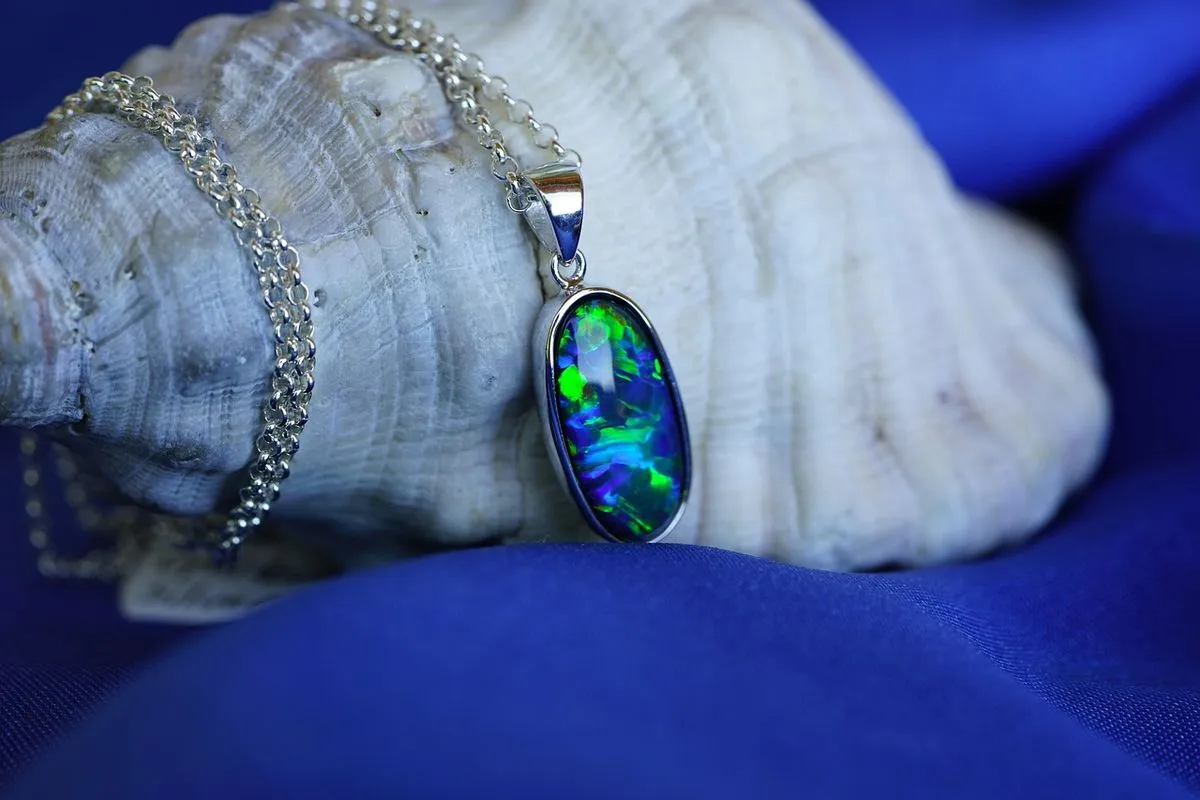
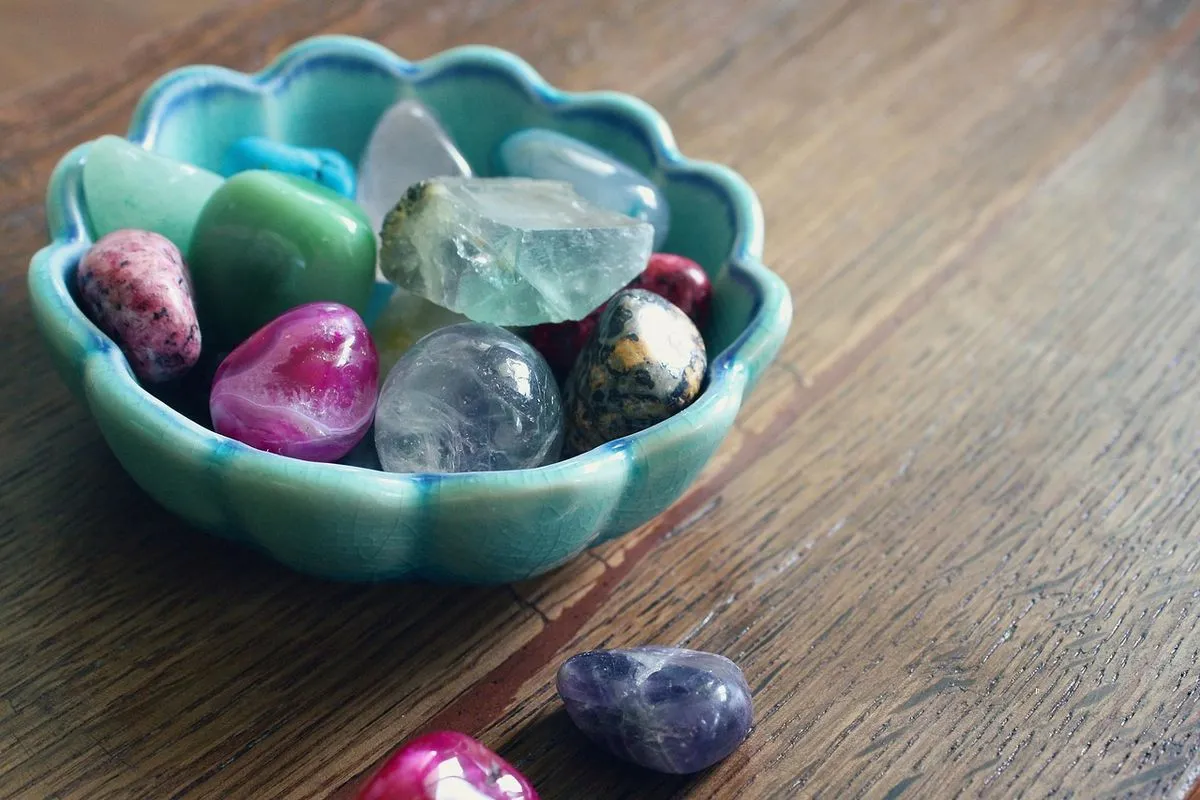
The Home Tumbler Kit is generally used for smoothing and polishing glass, metal parts, minerals, rocks, and stones, although it has other applicatons. It's ideal for putting a gloss or matte finish on beach glass, metal parts, and small pebbles.
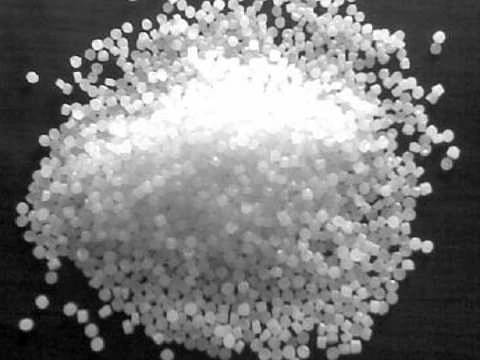
The kit comprises a motor base, a 510cc rubber drum, a three-grit pack with 400gms of 80 grit, 400gms of 220 grit, and 340gms of 400 grit, 200 gms of zinc oxide polish, and 250gm of plastic pellets to distribute the polish.
Tumblers and polishers can be used to refine, matte, or gloss the surface on brass, bronze, cartridge shells, castings, coins, copper, fashion accessories, fingerprint keepsakes, glass, gold, gun components, jewellery, keys, metals, minerals, model parts, rocks, shells, silver, small treasures, and stones. And there are diverse archeological, engineering, geological, hobby, and industrial applications.
Prices here are transparent: the kit prices include a UK-EU voltage and CE-marked motor base, a rotating drum, abrasive or polishing media, comprehensive instructions, UK VAT, and continuing free support from a top-tier international distributor. So you can start work straight away.
You don't have to buy a complete kit. All the components for all the kits are available separately, so you can mix-and-match the combination you need. To learn more about the separate parts, use the separate parts link.
For prices, trading terms, and secure on-line shopping, use the shop link below the menu bar near the top-right of any page. The order form is after the price list, near the bottom.
 |
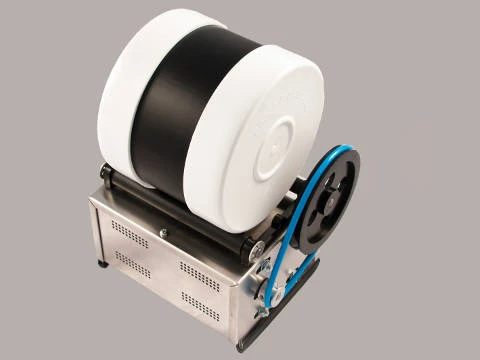 |
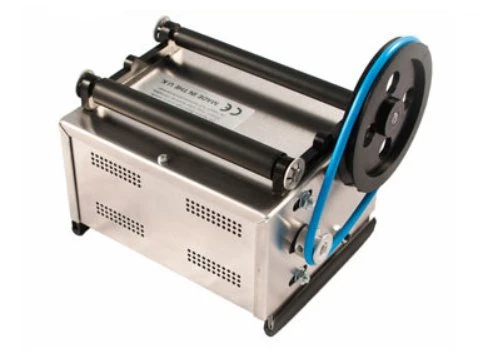
| Home Tumbler Motor Base. | Home Tumbler With A 700cc Plastic Drum. |
 |
 |
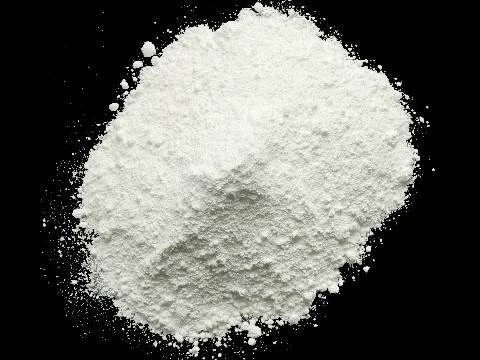
| Starter 700cc Plastic Drum. | Kitiki Abrasive Grits. |
 |
 |
Here are some important reminders:
Here are some important reminders:
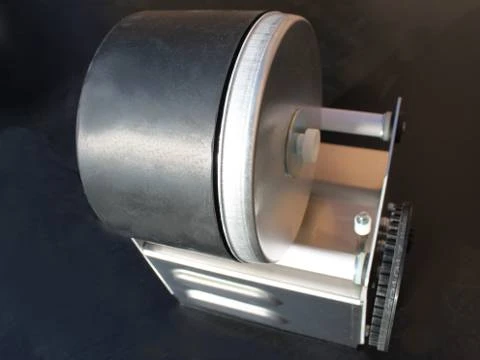
The motor base is a premium model, so has some enhanced features: two roller-ball drum end-stops, a toothed nylon-reinforced drive belt, and non-slip cogged drive wheels. However, although it's compact, it's not a toy.
The kit includes a rubber drum: it's more expensive than a plastic drum. It rests on two rollers, one of which is turned by the motor. To keep it in place as it rotates, it's constrained by the end stops, one at each end.
Using three grades of grit is vital. With two, coarse and fine, polishing would take longer and be less effective. The grits and polish come in plastic screw-top pots: not plastic bags, and not pots that can't be closed tight once the seal has been broken.
The kit includes plastic pellets to distribute the final polish. Without these, the polish would stick to the sides of the drum or just stay in lumps. Cerium oxide is not the same as zinc oxide.
Anything described elsewhere as a getting-started pack will almost certainly only have small amounts of two grits and polish, and no pellets. So you'd need to buy an appropriate pack sooner rather than later.
| THE KITIKI HOME TUMBLER KIT | GLASS, ROCKS, AND STONES |
|
|
|
|
The kit comrises a CE Marked motor base, a 510cc rubber barrel, and a three-grit pack with 400gms of 80 grit, 400gms of 220 grit, and 340gms of 400 grit, 200 gms of zinc oxide polish, and 250gm of plastic pellets to distribute the polish. The kit uses the Kimber Allen Evans Mini motor base.
The motor is rated at 230V-240V 20W, so can use a regular mains socket. It's fully-enclosed inside a vented aluminium case rather than, as with some tumblers, exposed at one end: so it's less prone to damage and damp, and takes up less space.
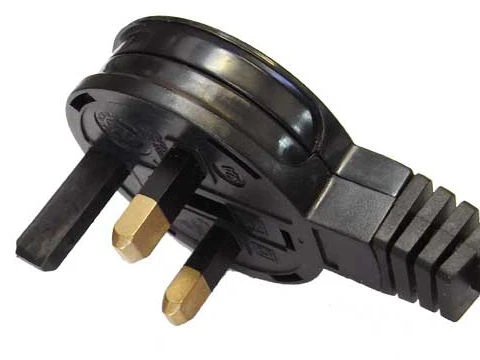
Including the barrel, it measures 154mm x 130mm x 200mm high, weighs about 2kg, and comes with a 1.8 metre cable ending in a UK 3-pin plug. Plastic protectors stop the tumbler marking your work-top, or slowly creeping and falling off.
The barrel revolves on two plastic rollers, one of which is turned by the motor. There are two roller-ball barrel end-stops and a nylon-reinforced toothed drive belt which can be adjusted for tension, although it's intended to be loose.
The 510cc drum is often called a half-size or 1.5lb drum. However, as it holds 510cc of water, about 510gm, it's really a 1.12lb drum. So, if you see it described elsewhere as having an actual capacity of 1.5lbs or 2.0lbs, it doesn't.
As you can see in the photo, the 510cc rubber drum uses most of the width of the tumbler body, so you can't use a larger drum or two smaller drums at the same time.
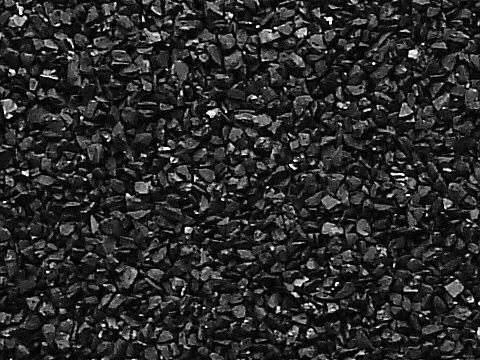
The grits are silicon carbide: an angular, hard, sharp, material which fractures into smaller angular particles, making it an effective abrasive. Generally, 80 grit is classed as medium, 220 as fine, and 400 as very fine. They come in plastic screw-top pots: not plastic bags, and not pots that can't be closed once the seal has been broken.
The final phase for polishing glass and stones uses a very fine zinc oxide paste mixed with small plastic pellets to help distribute it and stop it sticking together in lumps.
The instructions for all the tumblers and polishers can be printed here, using the instructions link below the menu bar near the top of the page.
| RUBBER DRUMS AND PLASTIC DRUMS |
 |
|
You'll need to be careful with a plastic drum and the push-on end caps. If they're not pushed on all the way, the drum won't turn properly and might fall off the rollers.
Plastic drums are a bit fiddlesome to open and close. However, to make the lid easier to push on, stand it in hot water. When it's on, the drum needs to be squeezed to expel as much air as possible because, during prolonged tumbling, the air warms up and expands and can cause the drum to leak.
To make the lid easier to pull off, the whole drum needs to stand in hot water. Prising it off is a good way to break your nails and there's a slight risk that it will suddenly come off and you'll spill your work, shot or grit, and soapy water.
If you have to work in the same room, plastic drums are noisier than rubber: especially as some glass, rocks, and stones might need to tumble for days.
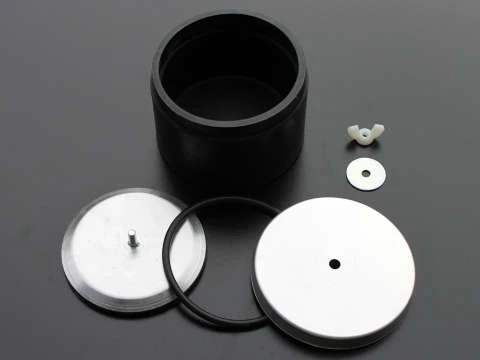
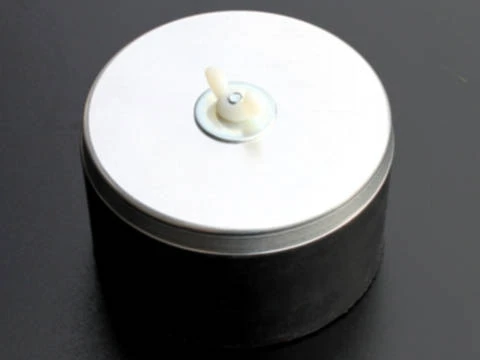
A rubber drum is simpler to fill and empty than a plastic drum as it has a different lid: at one end there's an inner metal lid, a rubber sealing ring, an outer metal lid, and a retaining wing-nut.
If you want to upgrade but want something larger, look at the Professional Tumbler Kit. It includes a rubber drum and is better engineered, with a more powerful motor, roller-ball drum end-stops, a toothed nylon-reinforced drive belt, and non-slip cogged drive wheels.
| USING THIS TUMBLER FOR GLASS, METALS, MINERALS, ROCKS, AND STONES |
 |
 |
 |
 |
If you've already bought this tumbler for jewellery, metals, gold, and silver, but now want to try glass, metals, minerals, rocks, and stones, you'll need a three-grit pack with 400gms of 80 grit, 400gms of 220 grit, and 340gms of 400 grit, 200 gms of zinc oxide polish, and 250gm of plastic pellets.
However, grits and polish are a bit like sandy toothpaste, and cleaning out a drum completely, storing the grit, and swapping back to shot is messy and tedious. And I wouldn't recommend using the same single drum for grits and shot as one stray grit particle in the shot will scratch your work.
You could use two barrels: one for grits and one for shot, marked so that you don't mix them up. But, budget constraints aside, it's much better to use four drums for the three grit grades and the polish, and one drum one for the shot. It makes cleaning and storing easier, especially as the three grits look similar and the polish must be kept grit-free.